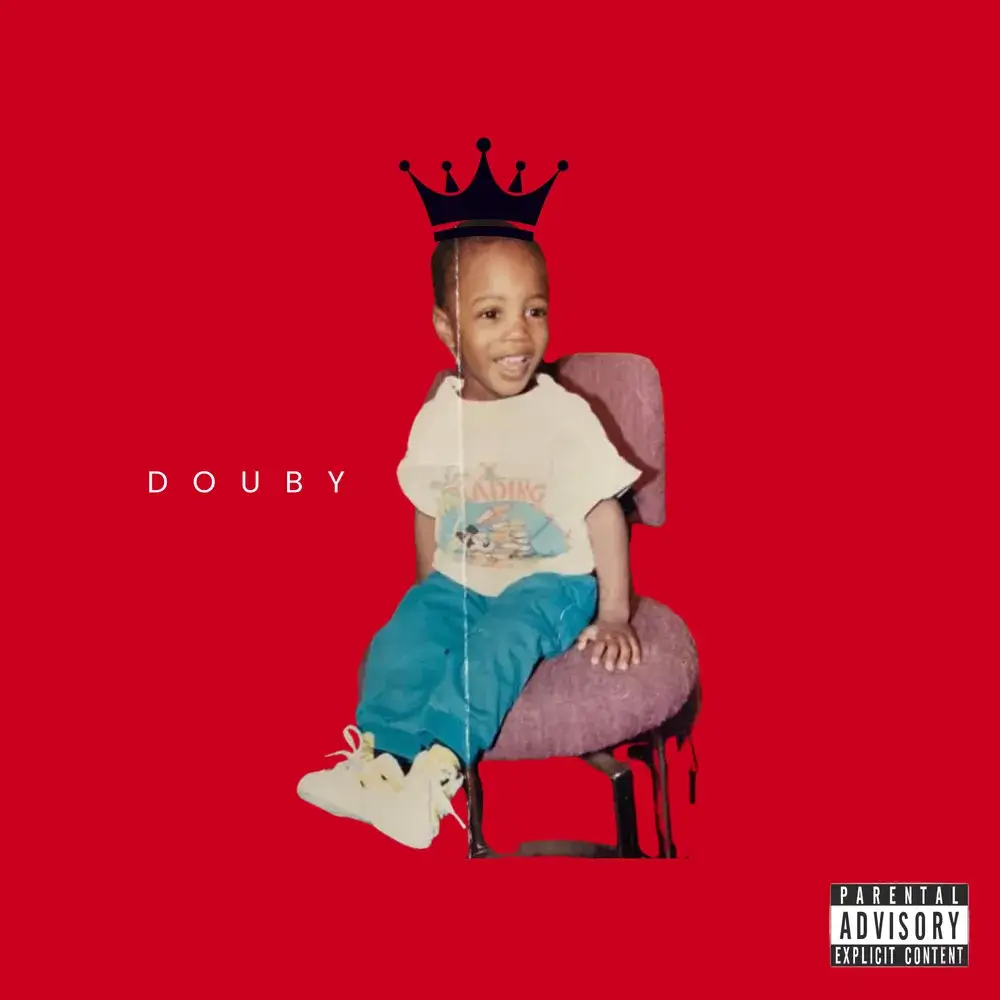
There’s a particular kind of music discourse that insists albums must behave themselves. They should have a clear narrative arc, a neat emotional progression, and a “correct” listening order you’re morally obligated to respect. Douby, the debut album from DJ SoulChild AC, does not care about any of that. And thank God.
Releasing on February 27, Douby is less an album in the traditional sense and more a confident refusal to pretend that club music needs to cosplay as a novel. This is dance music that understands its job and does it extremely well: move your body, scramble genre boundaries, and sound good no matter where you drop in. Shuffle it. Skip around. Come back weeks later and land on a random track. It still hits. That’s not an accident; if anything, that’s the design.
SoulChild AC pulls from hip-hop, house, soul, Brazilian funk, and a grab bag of club traditions without treating any of them like museum pieces. Tracks like “SAO PAULO” and “PARIS MEETS RIO” don’t gesture vaguely at global sounds for flavor; they commit to rhythm-first construction, letting percussion and bass do the heavy lifting. There’s no explanatory voiceover here, no genre tourism. The music just moves.
That looseness, that refusal to over-justify itself is the album’s defining feature. “EAT IT UP” barrels forward with a grin, unconcerned with whether it’s being clever enough for critics who think fun is a compromise. “KICK BACK” does exactly what the title promises, settling into a groove so relaxed it almost feels like a flex. This is an album comfortable with space, repetition, and the idea that not every track needs to announce itself as Important.
It’s impossible not to draw comparisons to Flying Lotus here, particularly in the way Douby treats rhythm as something elastic rather than rigid. Like FlyLo’s best work, tracks don’t feel locked into grid-perfect precision. They sway. They wobble. They breathe. “MORE TO THE MUSIC” leans into that philosophy, letting texture and momentum take precedence over obvious hooks. The result is music that feels human even when it’s built for the club.
At the other end of the spectrum, SoulChild AC channels the dancefloor intelligence of KAYTRANADA; not as imitation, but as shared language. “I DONT WANT EM” balances bounce and restraint with surgical confidence, while “LOVERS GROOVE” operates in that sweet spot where something can be undeniably danceable and quietly intimate at the same time. These tracks don’t shout. They smirk.
One of Douby’s smartest moves is refusing to crown a single centerpiece. Instead, it scatters its highlights like landmines. “KITTY KAT KAT” arrives with playful menace, while “KITTY KAT KAT PT 2” doesn’t escalate so much as reframe, proving that sequels don’t have to be louder to be effective. “BOUNCE” and “BOUNCE PT 2” similarly resist hierarchy; neither exists to replace the other. They coexist, like alternate versions of the same good idea, both valid, both fun.
And then there’s “STUDIO 54” which flirts with disco lineage without getting stuck in retro cosplay. It understands that referencing the past doesn’t mean reenacting it beat for beat. The track feels modern because it isn’t precious. It borrows freely, then moves on.
If all of this sounds suspiciously like the design philosophy behind Skrillex’s Quest for Fire, that’s not a coincidence. Both albums reject the idea that sequencing must dictate meaning. Instead, cohesion comes from tone, texture, and intent. You can shuffle Douby endlessly and it still works, not because the tracks are interchangeable, but because they’re united by a shared sense of freedom. No one track is doing too much. No one track is apologizing for being “just” a club record.
“THE MOVEMENT” might be the clearest mission statement on the album. It’s not subtle about what it wants: motion, repetition, release. And that’s kind of the point. Douby understands that dance music doesn’t need to pretend it’s something else to be worthy of attention. It doesn’t need lore. It needs rhythm.
What’s especially striking is how un-debut-like this album feels. For a first official album, there’s remarkably little insecurity on display. SoulChild AC doesn’t overexplain his influences, doesn’t chase trends at the expense of coherence, and doesn’t pack the record with unnecessary features to signal relevance. The confidence is quiet, almost casual; the confidence of someone who’s been doing this long enough to trust their instincts.
In a landscape where albums often feel overdetermined and under-felt, Douby succeeds by loosening its grip. It’s music that works because it doesn’t insist on being experienced “correctly.” You don’t have to sit still. You don’t have to listen in order. You just have to press play. And honestly? That’s more than enough.