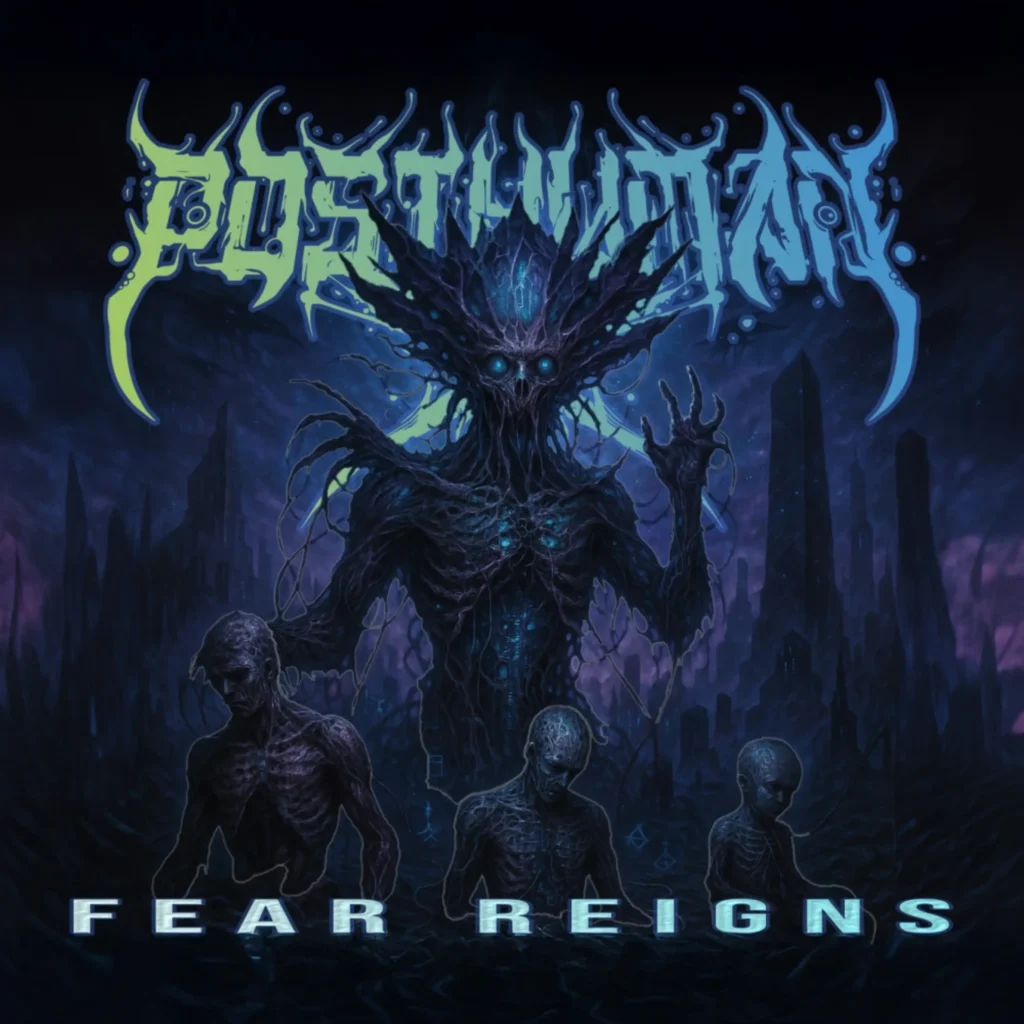
"Fusing the melancholy of Joji with local R&B sensibilities, Winley G delivers a bruising, guitar-heavy autopsy of romantic collapse."
When an independent artist actively invites comparisons to titans of a genre, they run the risk of highlighting their own inadequacies. Winley G operates in a perilous territory on “Lahat,” attempting to fuse the lethargic, internet-damaged melancholy of Joji with the velvet-draped, lovelorn aesthetic popularized by local heavyweight Arthur Nery. That specific intersection of Alternative R&B and modern indie rock is littered with failed experiments and uninspired bedroom producers. Yet, “Lahat” avoids the trap of mere imitation, offering a brooding, guitar-driven autopsy of romantic collapse that justifies its lofty touchstones. It feels distinctly localized while borrowing heavily from globalized late-night moods.
Abrasive, delayed electric guitars form the skeletal structure of the arrangement, bleeding into a sluggish rhythm section that pulls heavily from the shoegaze playbook. The mix relies on an overwhelming sense of low-end weight, pushing the kick drum and bass into a murky collision that threatens to swallow the vocals whole. Synthesizers hum faintly in the background like failing neon signs, providing an artificial warmth to the otherwise frigid instrumental. By the time the climax arrives, marked by crashing cymbals and a wall of distorted feedback, the arrangement feels intentionally suffocating. It represents a deliberate move away from the pristine, over-polished tendencies currently dominating OPM.
“Lahat” acts as a compelling, albeit flawed, blueprint for the darker corners of Philippine independent music. Winley G proves he understands the mechanics of tension and release, manipulating familiar alternative rock tropes to suit his specific brand of nocturnal anxiety. He takes the commercial viability of modern R&B ballads and drags them through the mud, resulting in something rougher and significantly more interesting. If he can refine his structural instincts without sacrificing this raw, unpolished edge, his next output will demand serious attention. For now, this release stands as a highly effective mood piece that successfully punches above its weight class.