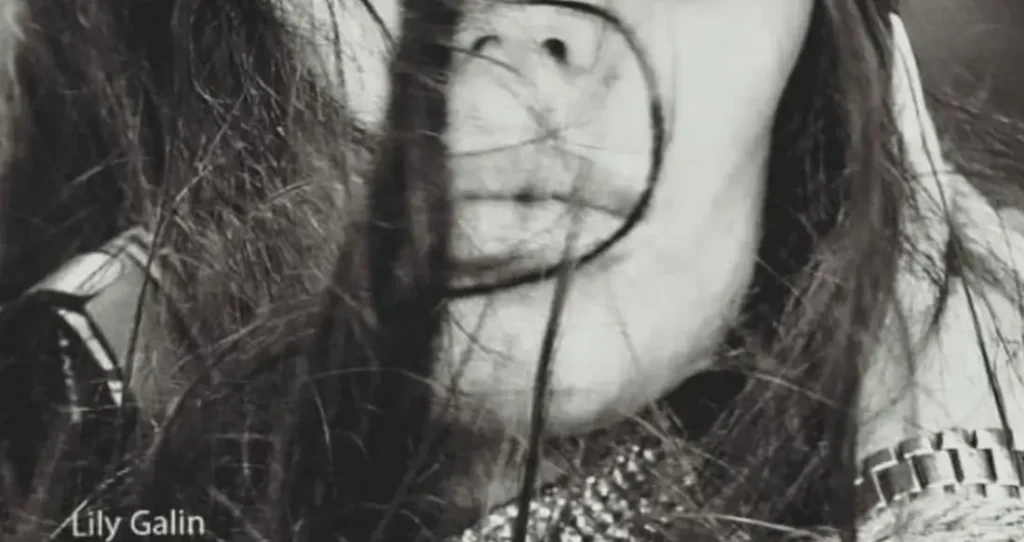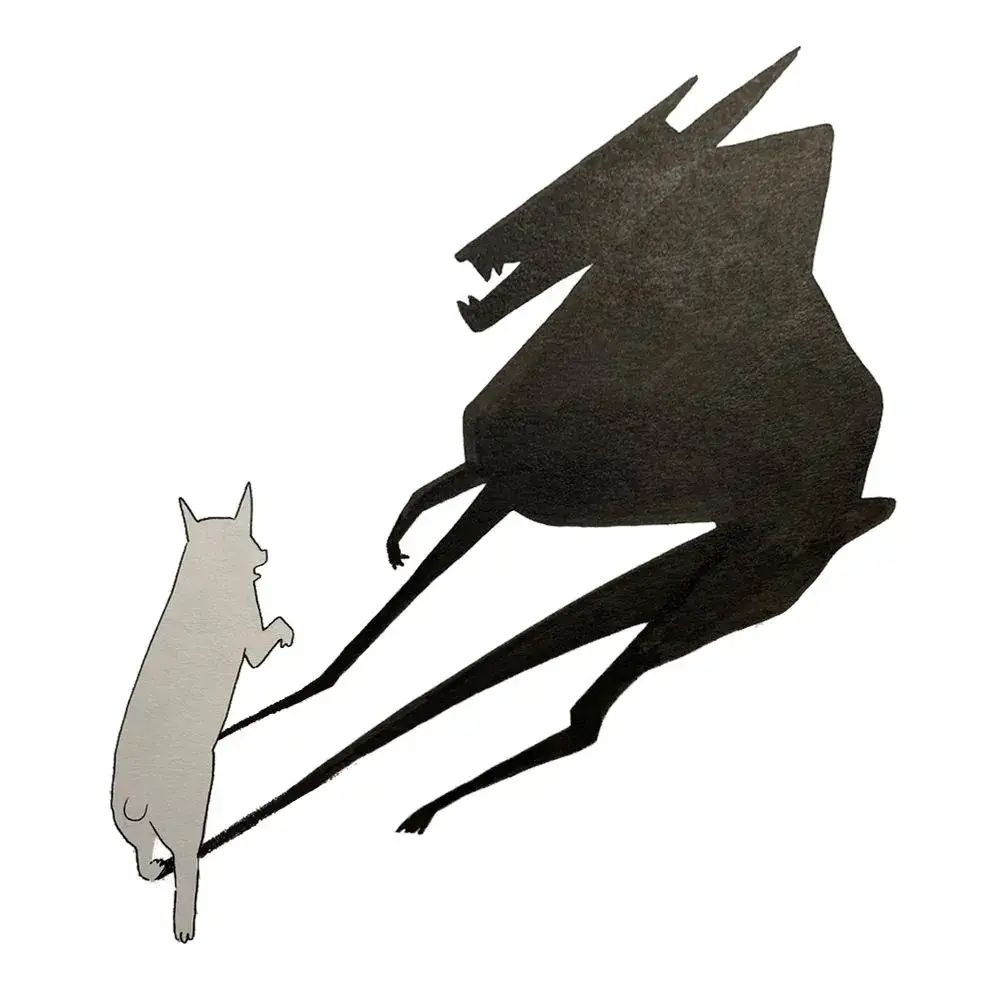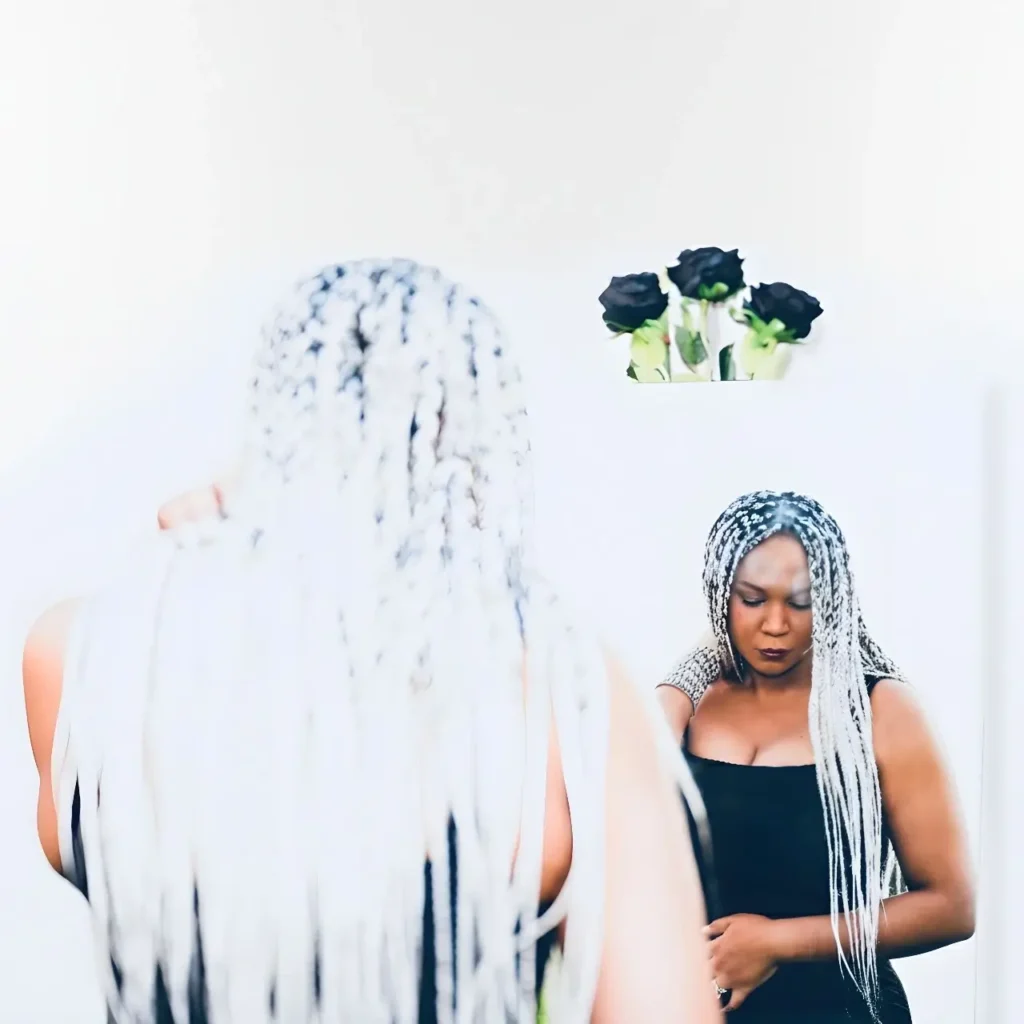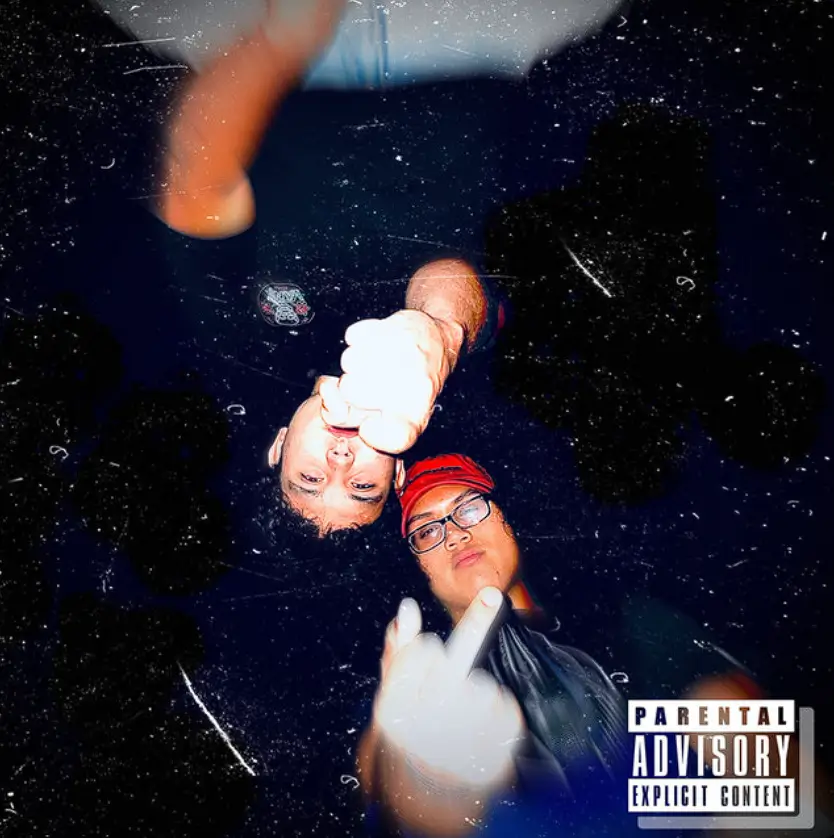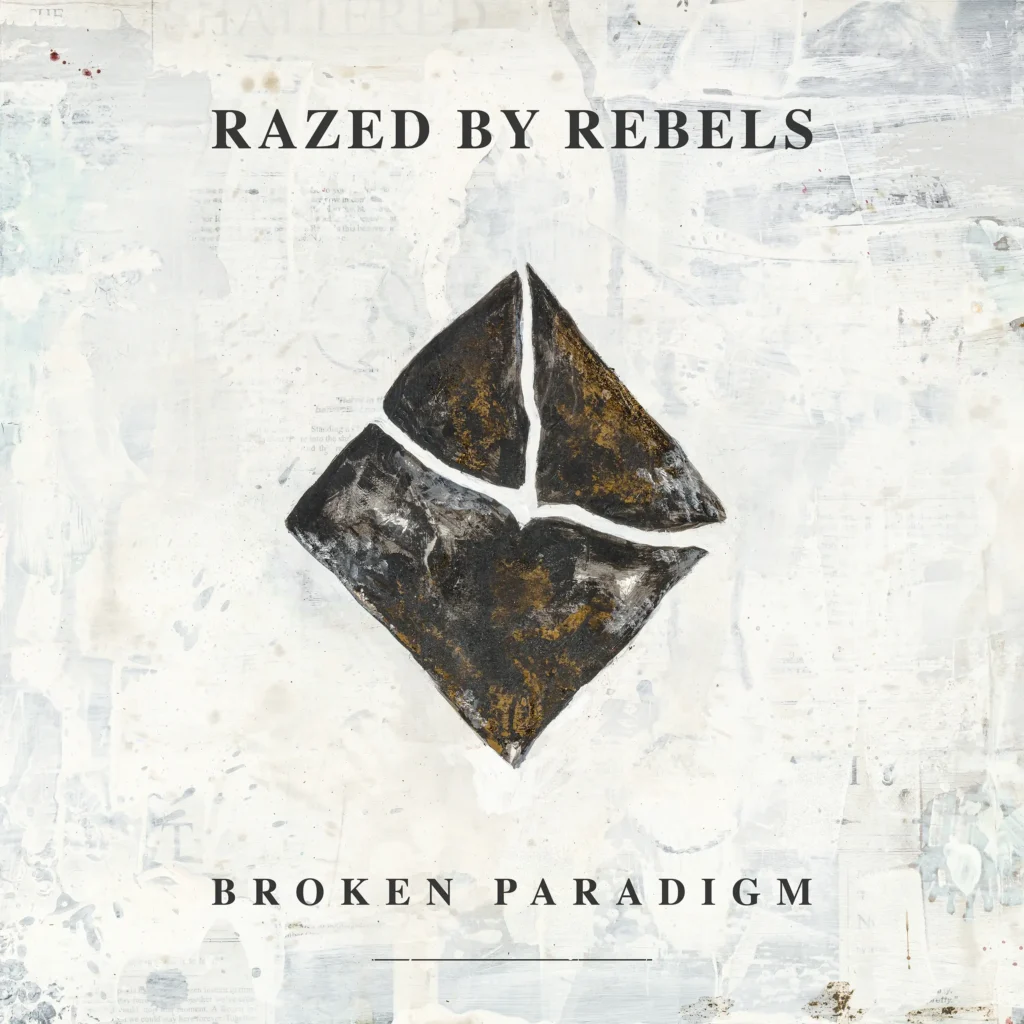
Some albums ease you in with a nice, polite intro, like they’re knocking on the door and waiting to be let in. The Broken Paradigm by Razed by Rebels does not do that. It kicks the door off its hinges, tracks mud all over the carpet, and immediately starts ranting about the state of the world before you’ve even figured out where to sit. It’s loud, messy, dramatic, and very clearly convinced it has something important to say and to its credit, it mostly pulls that off.
This is the kind of album that feels less like a playlist and more like a full-on dystopian setting. Everything about it from the production, pacing and even the way the tracks are ordered feeds into that atmosphere of tension and collapse. It pulls from industrial rock, alt-rock, and bits of electronic and cinematic scoring, landing somewhere in the orbit of Nine Inch Nails or Muse, but without ever settling into one lane for too long. It’s constantly shifting, like it doesn’t trust stillness.
“Until It’s Over” opens things in full chaos mode. There’s no buildup, no gentle “hey, maybe turn your volume up a bit”; it just immediately drops a wall of noise on your head and expects you to deal with it. Heavy textures, pounding drums, everything layered so thick it feels borderline claustrophobic. And crucially, this doesn’t read as accidental. It very much feels like the point is to overwhelm you first and ask questions later. The vocals don’t glide over the track so much as cut straight through it, sharp and urgent, like they’re trying to escape the song they’re trapped in. By the time it all locks together, it stops sounding like a traditional performance and starts sounding like an alarm going off, except the alarm has opinions and it’s not going to stop until you listen.
Then, instead of just going louder (which would be the obvious move), the album swerves. “The Nobodies,” a rework of a Marilyn Manson track, pulls things back into something more controlled and, weirdly, more emotional. It starts soft with piano, space, a bit of breathing room and slowly builds into something heavier. The interesting part is that it doesn’t try to outdo the original. It just reframes it, turning it into something that fits the album’s whole “the world is falling apart and we’re all kind of stuck in it” vibe.
From there, the album settles into this pattern of push and pull. “Beware the Hunters” leans hard into jagged, metallic energy, all sharp edges and tension, while “Shattered Eyes” shifts into something slower and more inward-looking. It’s still heavy, just in a different way; less about volume, more about mood. The vocals feel layered and slightly distorted, like they’re being stretched in different directions, which fits the whole identity-crisis energy the album keeps circling around.
“A Way Through” lands right in the middle and acts like a breather, but not a comforting one. It’s softer, more minimal, almost floating, but there’s still this underlying sense that something’s not quite right. It doesn’t resolve anything; it just pauses the chaos long enough for you to notice it. And then, naturally, that pause gets shattered by “Hiding Within,” which comes charging back in with heavy industrial energy. It’s loud, aggressive, and very aware of how effective that kind of sound can be when you just commit to it fully.
By the time you get to “Together We’ve Lost,” the album starts leaning harder into its cinematic side. Everything slows down, stretches out, and gets a bit more dramatic. The atmosphere gets thicker, the vocals echo more, and the whole thing feels like it’s building toward something big; even if you’re not entirely sure what that “something” is supposed to be. It’s reflective, but not in a comforting way. More like looking around and realizing, “Oh, this is worse than I thought.”
“Heaven’s Gate” closes things out by going all-in on that drama. It builds slowly, layering sounds until it feels huge, like it’s trying to soundtrack the end of the world or at least a very intense final act. The guitars grind, the drums push forward, and everything feels like it’s on the edge of tipping over. It doesn’t really resolve the album so much as it just stops at the peak of that tension, which feels very on-brand.
And that’s kind of the whole deal with The Broken Paradigm. It’s not here to be neat or subtle or even particularly comfortable. It’s here to throw a bunch of big, messy ideas at you about collapse, resistance, identity, all that fun stuff and trust that the atmosphere will carry it. The Broken Paradigm is less an album you casually listen to and more one you get pulled into, whether you planned to or not, and the pull is worth it.
Follow Razed by Rebels
Promoted Content
About the Author


A tenured media critic known working as a ghost writer, freelance critic for publications in the US and former lead writer of Atop The Treehouse. Reviews music, film and TV shows for media aggregators.