A tenured media critic known working as a ghost writer, freelance critic for publications in the US and former lead writer of Atop The Treehouse. Reviews music, film and TV shows for media aggregators.
There was a very specific moment in the early ’90s when producers collectively decided that the solution to any musical idea was, simply, to put a house beat under it. Didn’t matter what “it” was. Folk song? Add a four-on-the-floor. Eurodance hook? Obviously. Traditional tune your uncle plays at weddings? Give it a kick drum and see what happens. This era arguably peaked or perhaps bottomed out with things like Cotton Eye Joe becoming club-adjacent cultural events. It was chaotic. It was camp. It was not subtle.
Which is precisely why Wild River is such a pleasant surprise. Because on paper, “Bluegrass House” sounds like the kind of phrase that would have thrived in 1994 for all the wrong reasons. Banjo plus house? Fiddle over a drop? We’ve been hurt before.
But this isn’t that.
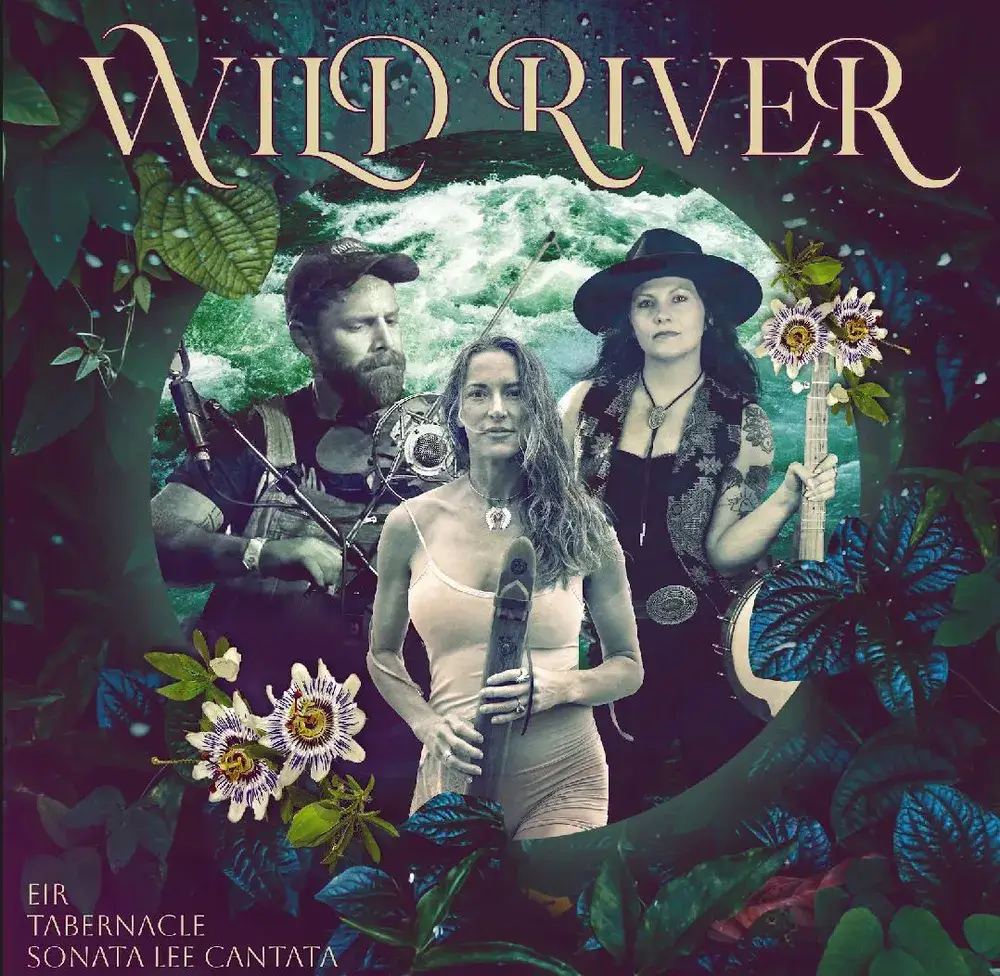
Wild River is a four-version producer EP built around the deliberate introduction of a micro-genre the artist is calling Bluegrass House; a fusion of Appalachian instrumentation with driving, hypnotic house rhythms. Crucially, it doesn’t treat bluegrass like a novelty sample pack. It treats it like a living, breathing musical tradition with emotional weight.
The project comes from an artist whose background isn’t “I downloaded some loops.” They’re an ambient sound healer, a downtempo and tribal/organic house DJ, and classically trained in opera and piano. That collision of ceremonial sound and peak-time dancefloor instinct is the core engine here. The goal wasn’t irony; it was synthesis.
And the collaboration is real. Ben Townsend (Tabernacle), one of those quietly formidable Appalachian fiddle players who could probably outplay your favorite producer’s entire plugin folder, co-produced the track. He brings live fiddle, banjo, live drums, and handles the mixing. Caitlin Smith (Sonata Lee Cantata) contributes banjo and background vocals. This isn’t “insert rustic texture here.” This is musicianship. The fact that artists are credited is itself a feat given the trend of house music acts prior.
The Original Mix opens with organic string textures that feel tactile. The banjo doesn’t jangle for kitsch; it pulses. The fiddle lines stretch, mournful and expansive. Then, gradually, the house framework asserts itself. Tribal percussion begins to lock in. The bassline grows teeth. By the time the drop lands, it doesn’t feel like a gimmick; it feels earned. The dancer dissolves into the rhythm because the rhythm has been built, not imposed. It’s ecstatic without being cartoonish.
The most interesting part of Wild River, though, might be the structure of the release itself. Four versions: Original Mix, Instrumental Mix, Extended DJ Mix, and Extended Instrumental DJ Mix. On the surface, this looks like standard dance-music formatting. In practice, it’s a statement.
In ecstatic dance spaces, lyrics are often avoided; instrumental options aren’t just nice to have; they’re necessary. In club environments, DJs need extended intros and outros for seamless blending. By offering fully realized versions tailored to both ceremonial and peak-time contexts, the EP demonstrates a clear understanding of where this music lives. And more importantly, it proves the song works in every configuration.
Strip the vocals? Still hypnotic. Extend the build? Still cathartic. Let it run long on a club system at 1:30 a.m.? Absolutely.
That versatility is what legitimizes the “micro-genre” claim. Bluegrass House, Appalachian fiddle and banjo fused with tribal percussion and driving basslines, could have been a branding exercise. Instead, it feels like a natural evolution of organic house’s fascination with ancestry and texture. It sounds both rooted and forward-facing. Ancestral and futuristic, without trying too hard to be either and that’s fitting. Because Wild River doesn’t feel like a novelty experiment. It feels like groundwork.
Built for ecstatic dance floors, conscious festivals and late-night club systems alike, the EP bridges ceremony and celebration without trivializing either. It understands that rhythm can be sacred and sweaty at the same time.

A tenured media critic known working as a ghost writer, freelance critic for publications in the US and former lead writer of Atop The Treehouse. Reviews music, film and TV shows for media aggregators.