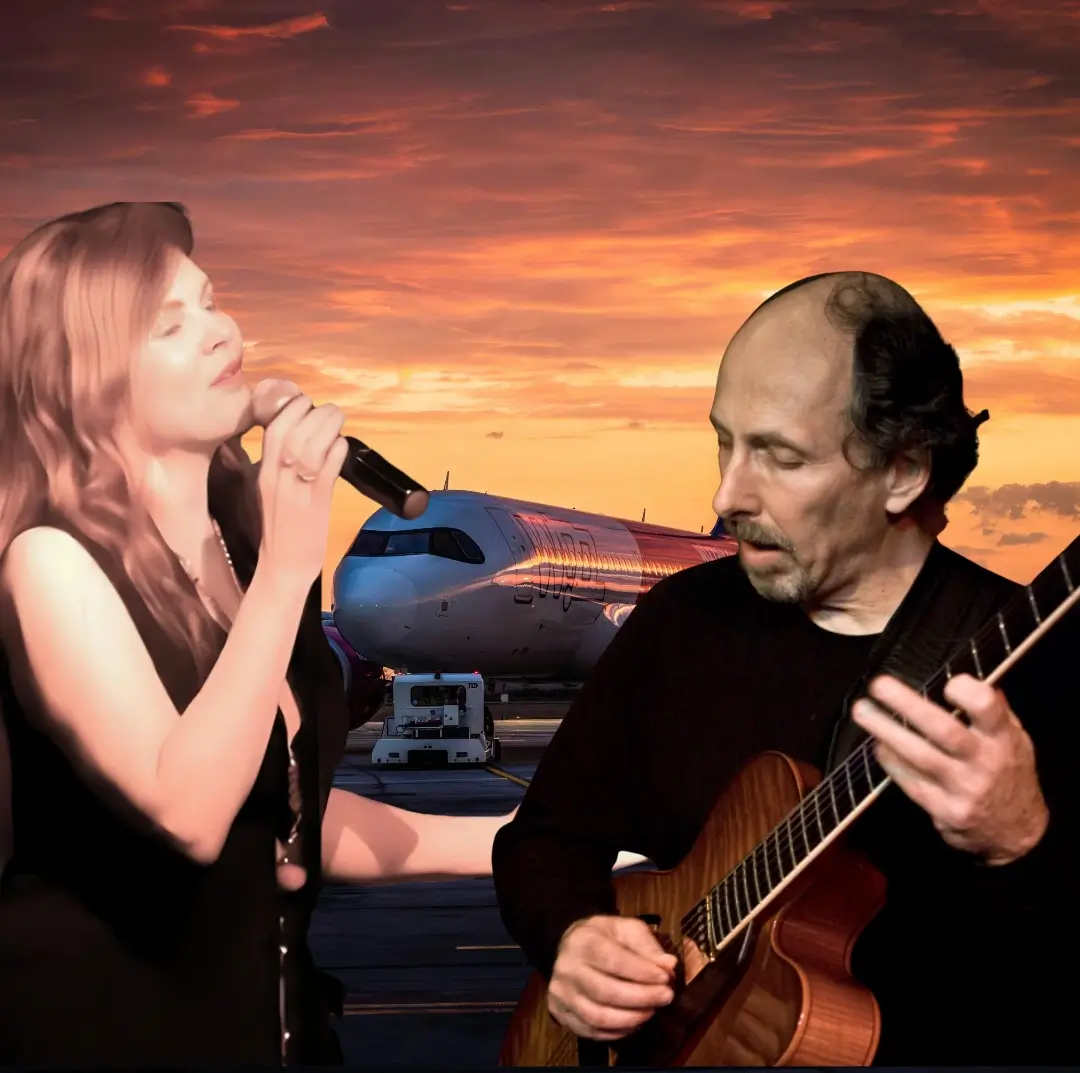

A tenured media critic known working as a ghost writer, freelance critic for publications in the US and former lead writer of Atop The Treehouse. Reviews music, film and TV shows for media aggregators.
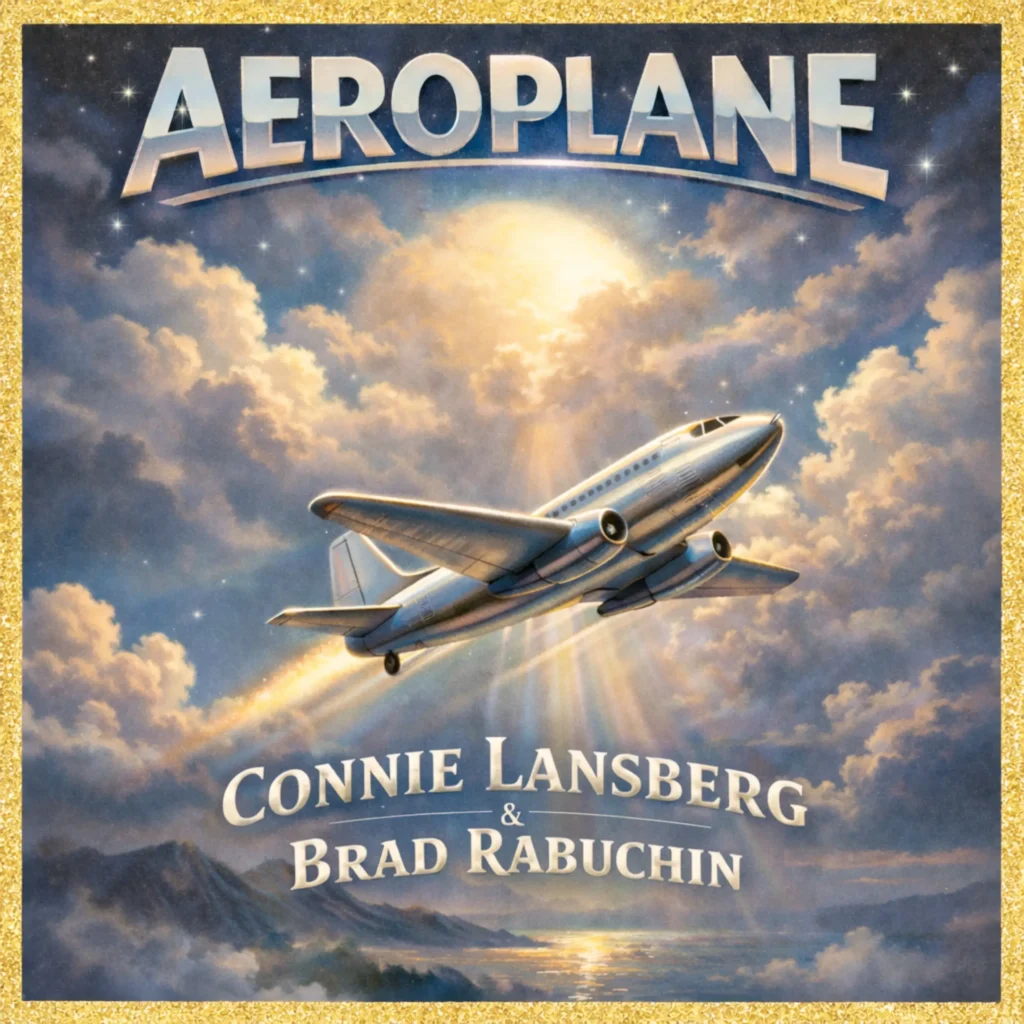
There’s a certain kind of album that basically introduces itself before you even press play. Like it wants you to know exactly how it was made so you’ll listen a little differently. Aeroplane by Connie Lansberg is very much that kind of album.
In this instance, the setup is kind of the whole hook: one rehearsal, eight hours in a studio, no overdubs, no retakes. Just Lansberg on vocals and Brad Rabuchin who, casually, was the last touring guitarist for Ray Charles on guitar. And that’s it. No backup plan. If something feels off, it stays. If something clicks, it only exists because it happened right then and there.
It sounds like a gimmick when you say it out loud but once you actually sit with the album, it doesn’t feel like a stunt; it feels like a boundary. And that boundary shapes everything.
Aeroplane isn’t trying to wow you with complexity. It’s more interested in holding your attention in a quieter, more human way. And that’s a harder thing to pull off than it sounds. Lansberg’s style already leans in that direction. She’s a jazz vocalist, but not in a strict, rulebook kind of way. Her songwriting drifts as there’s bits of folk, pop, blues and a hodgepodge of all of the above whenever the song needs change-ups. Instead of boxing that in, she works with musicians who can adapt to it and Rabuchin does exactly that, keeping things restrained but expressive.
With just voice and guitar, there’s nowhere to hide. No big arrangements, no production gloss, no “we’ll clean that up later.” Every breath, every pause, every slightly imperfect moment is right there in the mix. Instead of smoothing those out, the album just… lets them exist.
The title track, Aeroplane, opens things in a way that feels almost mid-conversation, like you’ve walked into something already in progress. It’s light, but there’s a quiet tension underneath it; like the whole thing could fall apart if you push too hard.
Broken Doll leans a bit heavier emotionally. Lansberg’s voice carries more weight here, while the guitar stays subtle in the background. It’s simple, but that simplicity is doing a lot of work. Everything Ends Up In The River, which is reflective without being overly dramatic. It feels loose, almost like it’s unfolding as it goes, rather than following a strict structure.
Tracks like Heart Of Stone and Starlight and Gold don’t necessarily jump out on their own, but they help build the overall mood. This isn’t really an album of big moments. Rather, it’s more about the atmosphere it creates over time. By the time we get to The Way To You, there’s a noticeable sense of comfort between the two performers. Nothing feels forced. They’re not trying to prove anything; they’re just playing their music and trusting that it’s enough.
And You Don’t Know Me closes things in a similarly low-key way. No big finish, no dramatic send-off. Just a quiet ending that feels consistent with everything that came before it.
What you’re left with is something pretty understated, intimate and while a little uneven in places, it also is very real.This isn’t an album that’s going to grab you instantly if you’re half-paying attention. It asks you to meet it halfway, to slow down a bit and just sit with it. If you do, there’s something quietly compelling about it that takes flight in record time.

A tenured media critic known working as a ghost writer, freelance critic for publications in the US and former lead writer of Atop The Treehouse. Reviews music, film and TV shows for media aggregators.