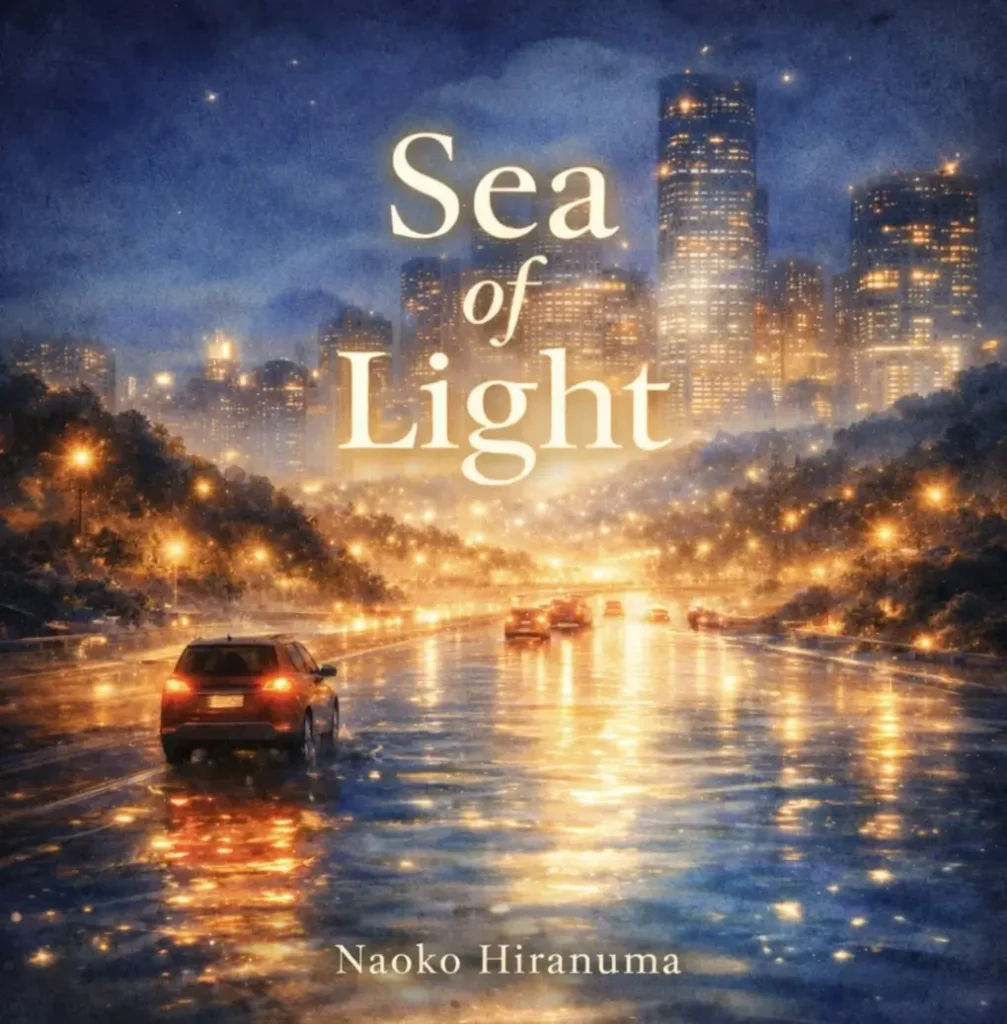
Naoko Finds Quiet Beauty in the Temporary on “Sea of Light”

Some songs ask for your attention; others achieve it by politely declining to scream into the aether. Naoko Hiranuma’s new “Sea of Light” firmly belongs in the second half.

Between its sparse folk structure and airy dream-pop layers to the candid vocal performance, this is a track unfolding at the patient pace of a person keenly aware of which currents can pull you under subtly.

The opening canters in barely louder than a murmur before a gently plucked acoustic guitar drifts in slowly from the ether. Easy terrain to stray into preciosity, that, but Hiranuma steers away through the use of clear imagery grounded in material reality-as in, the sea is actually sea in here, not just some preachy metaphor that sounds pretty and deep.

One gets the sense the songwriter has spent more time actually looking at the sea to recognize its inherent value without needing to prove anything to anyone or himself-or in this case herself; in place of theatrical melodrama and the quest for profound meaning, the lyrics on remnants of former lives here are spoken in a register of lived resignation.

Also among this, the singer-songwriter understands, perhaps uniquely in the realm of pop music dealing with breakup, that heartbreak doesn’t typically happen on the precipice as an overwhelming dam burst, but as a slow and dawning realization.

If you listen to the track, there is a notable parallel to the overall atmospheric air to the album that’ll bring Ichiko Aoba to mind but then a sense of folky naturalism to Laura Marling’s earlier albums thrown in also for good measure; this is that combined with the hushed quiet of the slower moments of Phoebe Bridgers.

The overall effect, however, manages to keep sententiousness on an appropriate distance; the arrangement feels less shattered by sorrow and heartbroken, and more cautiously hopeful and considerate regarding a bygone future even though there’s a certain lingering to the very slowest movements here that makes one occasionally question if just one extra swell or change might pull the material to a higher ground; it feels like there is however something quite intentional about this style as it is so quiet and understated that it might as well be screaming in contrast.

When much of contemporary pop seems obsessed with ways to ensnare the ear within three seconds of their broadcast time, this album wants something with rather lower purchase; it wants you, instead: take a seat.

Follow Naoko Hiranuma

Promoted Content

About the Author