
A tenured media critic known working as a ghost writer, freelance critic for publications in the US and former lead writer of Atop The Treehouse. Reviews music, film and TV shows for media aggregators.
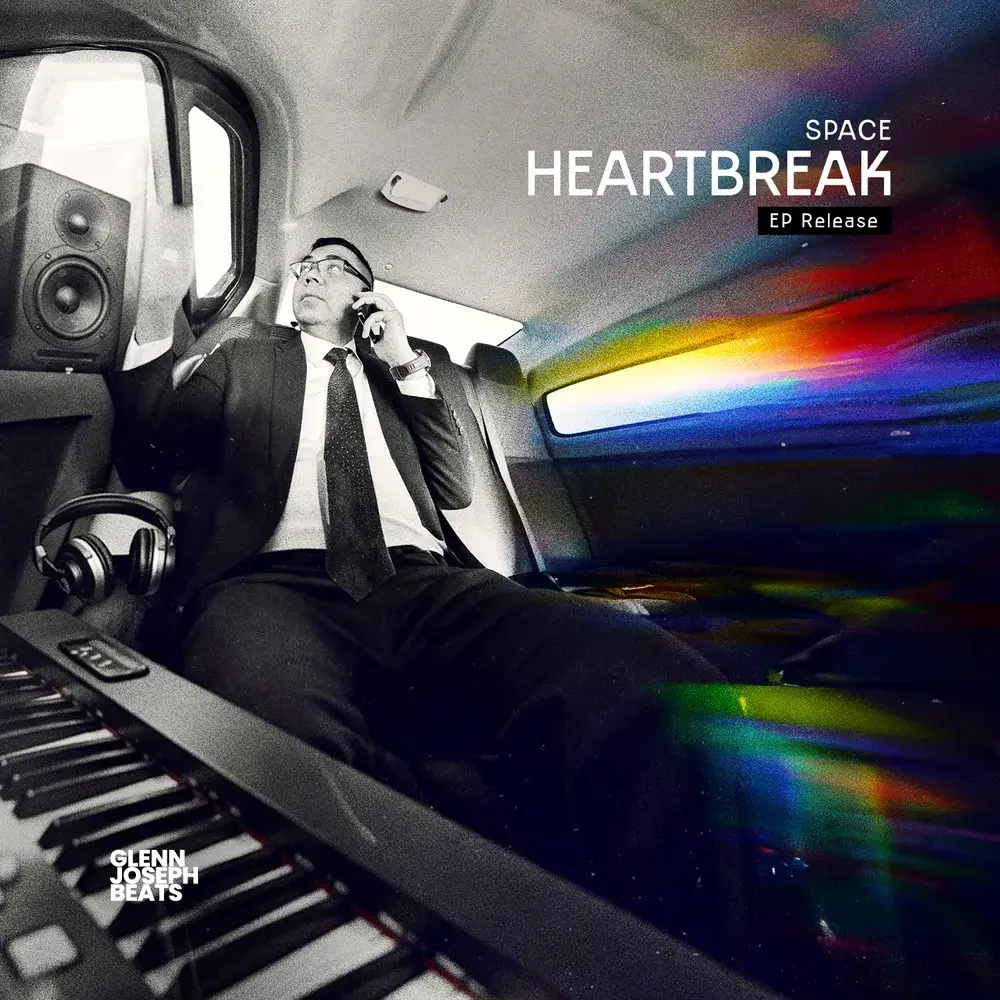
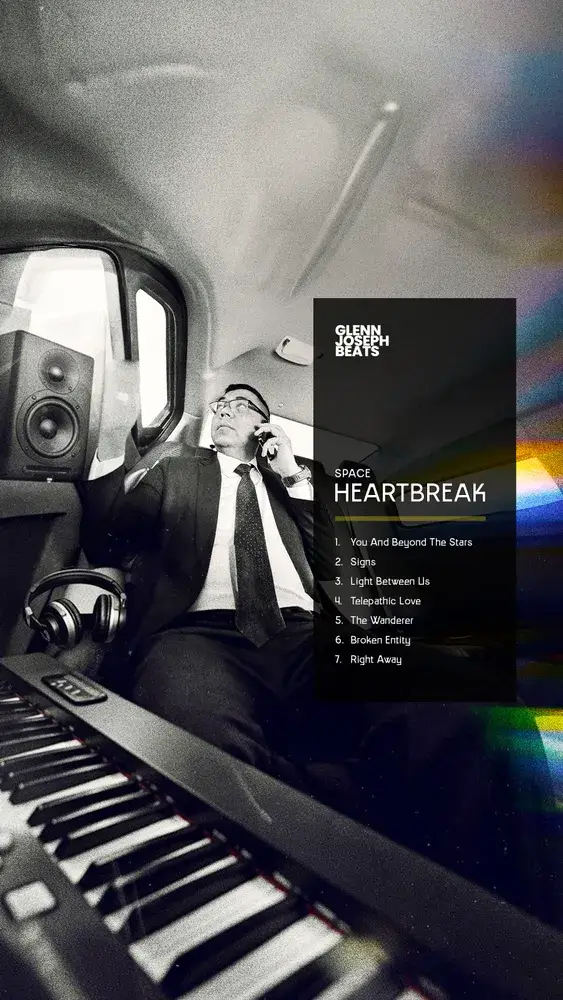
There’s a very specific kind of confidence required to call your debut project Space Heartbreak. Not just “Heartbreak.” Not just “Late Night Feelings.” No. We’re going to space. We are leaving the planet. The emotional damage will be intergalactic. And honestly? Fair enough as Space Heartbreak doesn’t rely on big, dramatic sci-fi theatrics or overblown production tricks to sell that scale.
Technically, it’s seven tracks. In practice, it plays like a full album. Not in a “we just had too many songs for a single” way, but in a deliberate, structured arc. This isn’t a playlist. It’s sequenced. It moves in a way that feels full and compact. Think Ye’s run of 7-track albums in Wyoming like Pusha T’s Daytona, the self-titled Ye and Kids See Ghosts albums. You know, before Kanye went fully insane.
The tracks lean more openly into pop structure with clear hooks and tight melodies, but they never abandon the soul core. The vocal production floats in that sweet spot between ethereal and human. Layered, immersive, slightly dreamy and yet still warm. There’s restraint here, and that’s the key. Instead of exploding into melodrama, these songs understand that sometimes intimacy isn’t about the big vocal run; it’s about the space between lines.
The opener, You And Beyond The Stars, basically plants a flag: this is the vibe. Lush, velvety production pulls from 70s and 80s R&B, but crucially, it doesn’t feel like someone’s raided a vintage synth preset pack and called it nostalgia. It’s warm without being dusty. Polished without being plastic. The romanticism is huge, but it never tips into parody. There’s a late-night intimacy to it that might remind you of artists like The Weeknd, but where that comparison usually brings a bit of emotional detachment, here it feels refreshingly sincere. It’s cinematic, sure, but it’s grounded.
When Telepathic Love comes in, it shifts gears just enough to keep things interesting. The percussion leans trap-influenced, the rhythm feels more contemporary, and there’s a faint nod to the SoundCloud era of R&B-adjacent rap. But it doesn’t feel like a sudden identity crisis. The melodic focus stays intact. It’s still about connection, just expressed through a slightly punchier framework. If anything, it shows versatility. Glenn Joseph Beats isn’t stuck in one aesthetic lane; he just knows how to keep everything emotionally consistent.
Then there’s The Wanderer, which comes off like a track that could’ve been on Bruno Mars’ new album The Romantic. On paper, that sounds like a sharp left turn. In execution, it feels completely natural. The imagery woven through the lyrics doubles down on the project’s central metaphor, but it never feels forced. It’s just part of the language now.
Broken Entity deepens the emotional tone without tipping into self-pity. This is heartbreak, yes, but the quiet kind. The “we just never quite worked” kind. The production swells slightly, the vocals feel heavier, and there’s a reflective maturity to it. It doesn’t dramatize the pain; it acknowledges it. Instead of emotional chaos, you get lingering echoes. It feels human.
By the time Right Away closes the project, the symmetry becomes clear. We’re back to those 80s R&B textures from the opener, but now there’s a subtle gospel inflection in the vocals. It adds this devotional quality that allows the project to end with grandness.
What’s genuinely impressive about Space Heartbreak is how cohesive it is for a debut. Everything serves the same late-night, quiet-storm energy. Nothing feels like filler. Nothing feels like a flex for the sake of it, and that’s the real strength here. This isn’t genre fusion as a résumé exercise. It’s not “look at all the styles I can do.” It’s a clear artistic identity forming in real time. Melody matters. Atmosphere matters. Emotion absolutely matters.
The cosmic framing could have been gimmicky. Very easily. But instead, it works as a unifying metaphor for distance, longing, and devotion. It’s consistent. It’s intentional. It feels thought through.
For a first release, Space Heartbreak doesn’t feel tentative. It feels assured. It feels like the start of something with direction. As introductions go, it’s not just promising as Space Heartbreak is confidently, unironically and cosmically romantic.

A tenured media critic known working as a ghost writer, freelance critic for publications in the US and former lead writer of Atop The Treehouse. Reviews music, film and TV shows for media aggregators.