
Stylus Feels Like What Happens When Someone Who Genuinely Loves Rock Music Keeps Showing Up to Do the Work

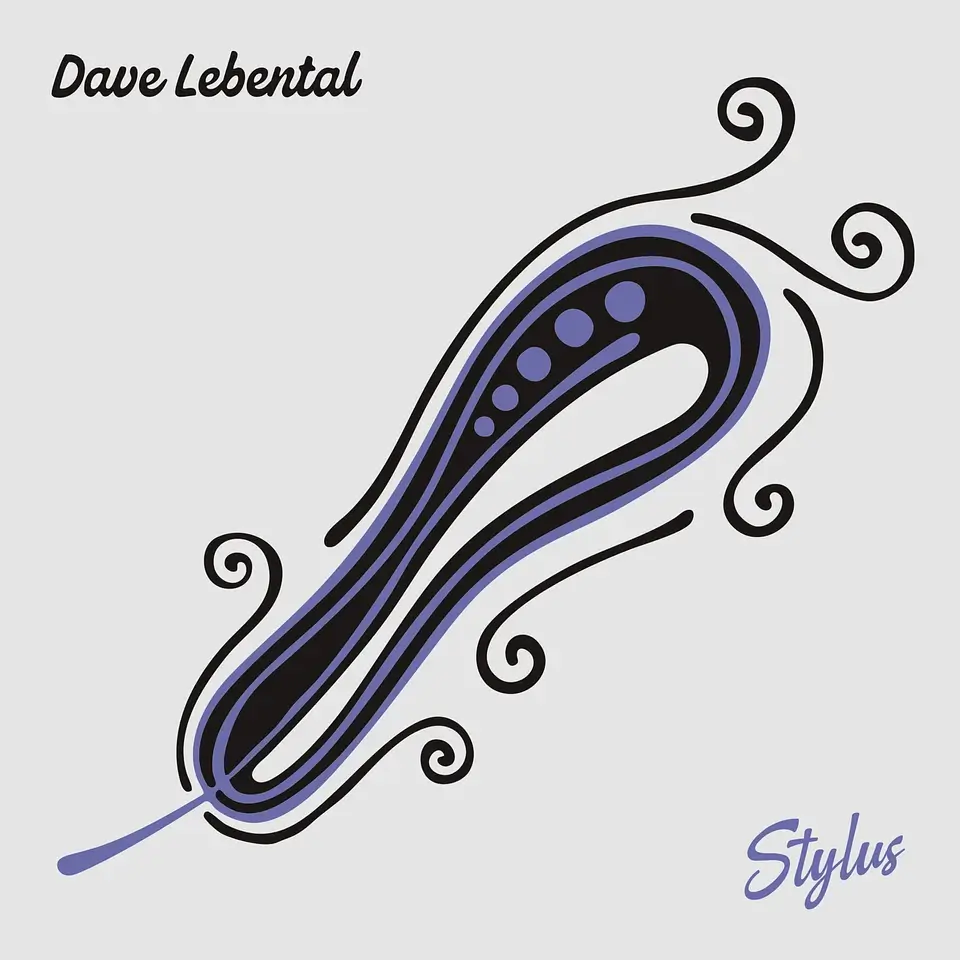
There’s something deeply funny about calling your album Stylus in 2026. In an era where most people experience music as an invisible algorithmic vapor piped directly into their ears by a Swedish tech company, Dave Lebental has named his second solo LP after the tiny physical needle that drags through vinyl grooves. It’s like naming your child “Telegraph.” And I mean that as a compliment.

Following 2024’s The Long Player, which quietly racked up over a million combined streams and reminded people that grown adults can in fact still write rock songs with chords in them. Stylus finds Lebental doubling down on melody, piano, and the radical concept of emotional clarity. If the previous record flirted with Americana textures, this one plants a flag firmly in piano-driven rock in the lineage of The Beatles, Elton John, Supertramp and Elvis Costello; that golden era when you could be melodic, slightly dramatic, and structurally ambitious without anyone accusing you of being “theatre kid adjacent.”

Lebental isn’t just cosplaying 1973 though. The key difference is that Stylus doesn’t feel like a museum exhibit. It feels lived-in. Slightly scuffed. That matters, because Stylus sounds like a band that understands how songs actually function in a room with humans in it.

From the opening seconds of “Addition By Subtraction,” you can hear them locked in. The track is a funky blues-rock opener about the deeply satisfying realization that yes, actually, losing someone can improve your life. It’s petty, but in a healthy way. Swelling organ, bluesy piano, a guitar solo that practically sprints out of the speakers. When Lebental sings, it lands not as self-help sloganeering, but as a line earned through repetition and rehearsal. This isn’t vague Spotify-core heartbreak; it’s specific, adult frustration.

“Changing The Way I Feel” leans further into the piano-rock thesis statement. The chord progression wanders in interesting directions, the vocal melody snakes around in ways that feel intricate without becoming indulgent. Lyrically, it’s about fighting through writer’s block; the peculiar agony of staring at your own brain and asking it to perform on command. Which makes the song’s restless shifts feel almost meta: you can hear the creative gears grinding, then suddenly catching. It’s the sound of inspiration returning like a power grid flickering back to life.

Then there’s “Hopium,” which starts as a tender piano ballad before opening up into something airier and unexpectedly lush. There are flashes of Brian Wilson-esque melodic sensitivity here, the kind that prioritizes emotional lift over ironic detachment. Lebental reaches for higher notes, and the vulnerability works. It’s not overwrought; it’s just sincere in a way that feels almost rebellious.

“I Can Always Count On You” injects a darker edge. A punchy drum intro, a slightly uneasy chord progression, and an organ tone that sounds like a haunted carnival ride. The target this time is the chronically disappointing friend; the one whose only consistent trait is letting you down.

Closing track “You Figure It Out” drifts into a relaxed reggae-inflected groove, all staccato guitar upstrokes and buoyant bass. There’s a touch of The Police in the rhythmic feel, maybe a hint of Paul Simon in the reflective tone. The song plays like a coming-of-age epilogue; surviving your twenties, making questionable decisions, and gradually assembling a workable identity from trial and error.

The title Stylus turns out to be more than aesthetic nostalgia. Lebental has pointed out that the word refers both to the needle on a turntable and to a writing instrument. That dual meaning neatly sums up the album’s ethos: songs written by hand, then brought to life through performance. It’s an object lesson in process; in the idea that albums can still be cohesive statements rather than content bundles.

Stylus won’t convert anyone allergic to melody or allergic to musicians visibly enjoying themselves. But for listeners who grew up on classic piano rock and have been quietly waiting for new music that treats that tradition as a living language rather than a retro costume, this record lands squarely in the sweet spot. It’s forward-looking without pretending the past didn’t happen. It’s nostalgic only in the sense that it believes good songs are still possible.

In short, Stylus feels like what happens when someone who genuinely loves rock music keeps showing up to do the work. No gimmicks, no algorithm bait; just ten songs, a tight band, and the faint, reassuring scratch of a needle finding its groove.

Follow Dave Lebental

Promoted Content

About the Author