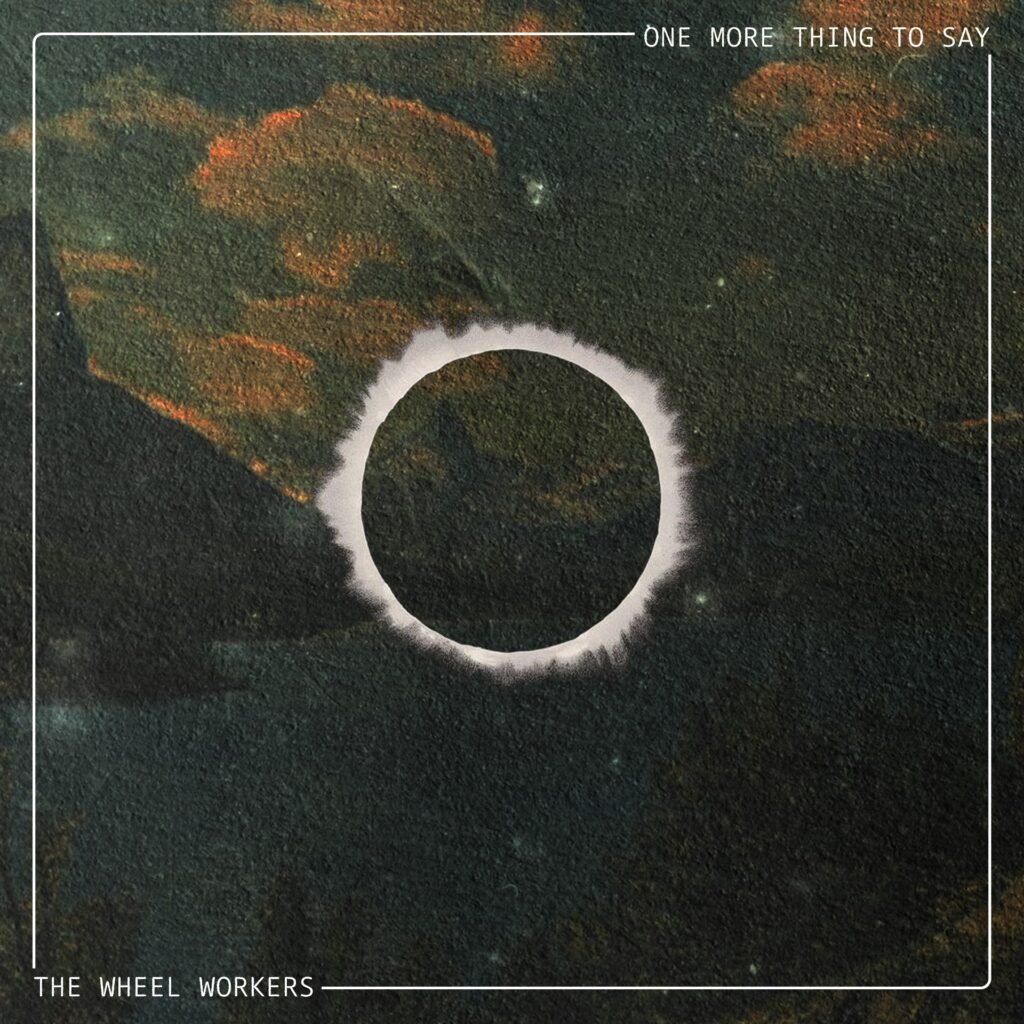
It is quite serendipitous to have something tucked away and deep, only for it to find its way back to you many years later. Such is the case with The Wheel Workers’ One More Thing To Say. There is something inherently moving about an album that takes twenty years to find its way back into the world. There is also something innately romantic about having lived different lives, developed new perspectives about the world, and probably lived through the very songs you once wrote when you were green.
When the band broke up in 2006, they had long abandoned the unfinished twenty-year record. It was only when their creative director, Steven Higginbotham, returned to the recordings to give them a proper conclusion that the album found its way into the bloodstream of music. By incorporating the elements of the band’s original sound with the new musical sensibilities they have developed over time, One More Thing To Say becomes more than just an archival release. Its title feels almost autobiographical, as in after twenty years of silence, the Wheel Brokers have, quite literally, found one more thing to say.
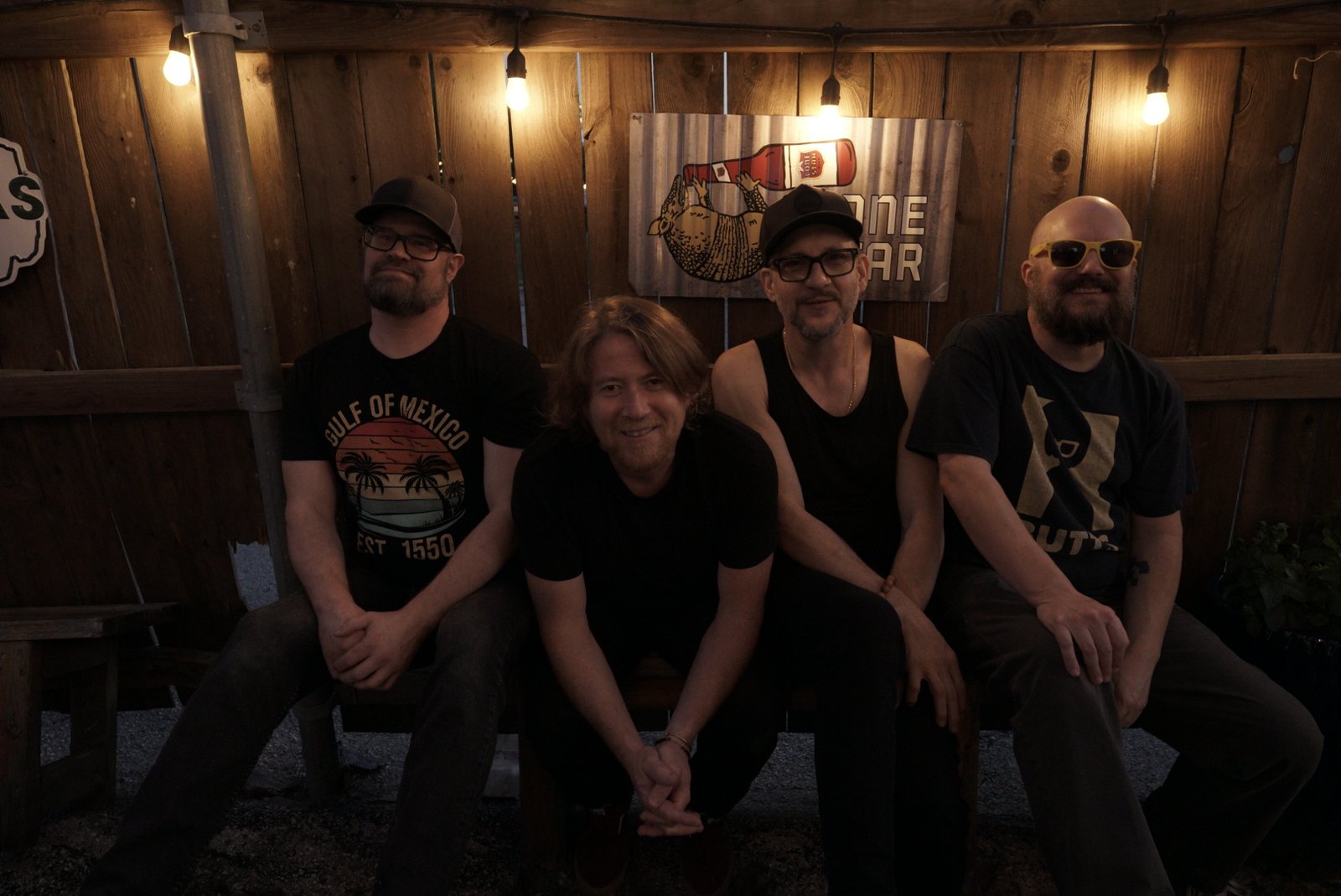
Musically, the record occupies a space between progressive experimentation of alternative rock and the hazy reaches of psychedelic rock. This makes sense given the band’s primary inspirations which include Pink Floyd, Sonic Youth, and the Pixies. The band’s sound can be atmospheric and aggressive yet remain melodic. They can also venture through experimentation without losing the emotional and political depth of their songwriting. Perhaps this is where the band draws their strengths.
The album’s title track, One More Thing To Say, carries a loud, palpable tension, evident in the way the guitars are played and how the rhythm moves as though it is trying to persuade. There is a conversational quality to how the song was arranged, with the instruments and vocals seeming to respond to one another. The guitar, keyboard, and baseline establishes a restless rhythmic foundation.
Additionally, songs that deliberately speak to your emotions are O’er The Sands, One Must Speak, Meditation, and Caves of Ice. They all have a quiet and flowing melody, you cannot help but listen. The instrumentation moves along with the natural progression of a thought, it seems. As with much of the record, it does not feel over the top. Everything just fits right.
On the technical side, much of the album’s character comes from its hypnotic bassline as a foundation that is consistent throughout the whole record. The rhythmic chiming of guitars doubles down in reinforcing the texture and sound. The overall production is particularly interesting because it does not rely on heavy instrumentals to create intensity. The vocals and consistency of the sound creates that for them. The arrangement feels layered, with synths and harmonies to create more depth and fill every pockets of space. Their rhythmic interplay effectively reinforces the music’s identity.
But after learning that this is a record that spent two decades on the shelf, one cannot help but wonder if releasing it now would be the right move. Why now? Can a record still belong to a group of people who first imagined it differently when the band finishing it has lived another twenty years? And does completing an old work preserve the past or rewrite it?
After hearing the record, perhaps the answer is both. Artists now have long returned to their old records, revisiting and rerecording it with newfound grace, and inevitably giving it new life. And The Wheel Brokers does not seem to create an entirely new identity for this record, they preserve, reflect, and ultimately continue the conversation they started off of the music shelf.
Follow The Wheel Workers
Promoted Content
About the Author

Writing works ranging from news, features, press releases, and scripts for technical and creative content.