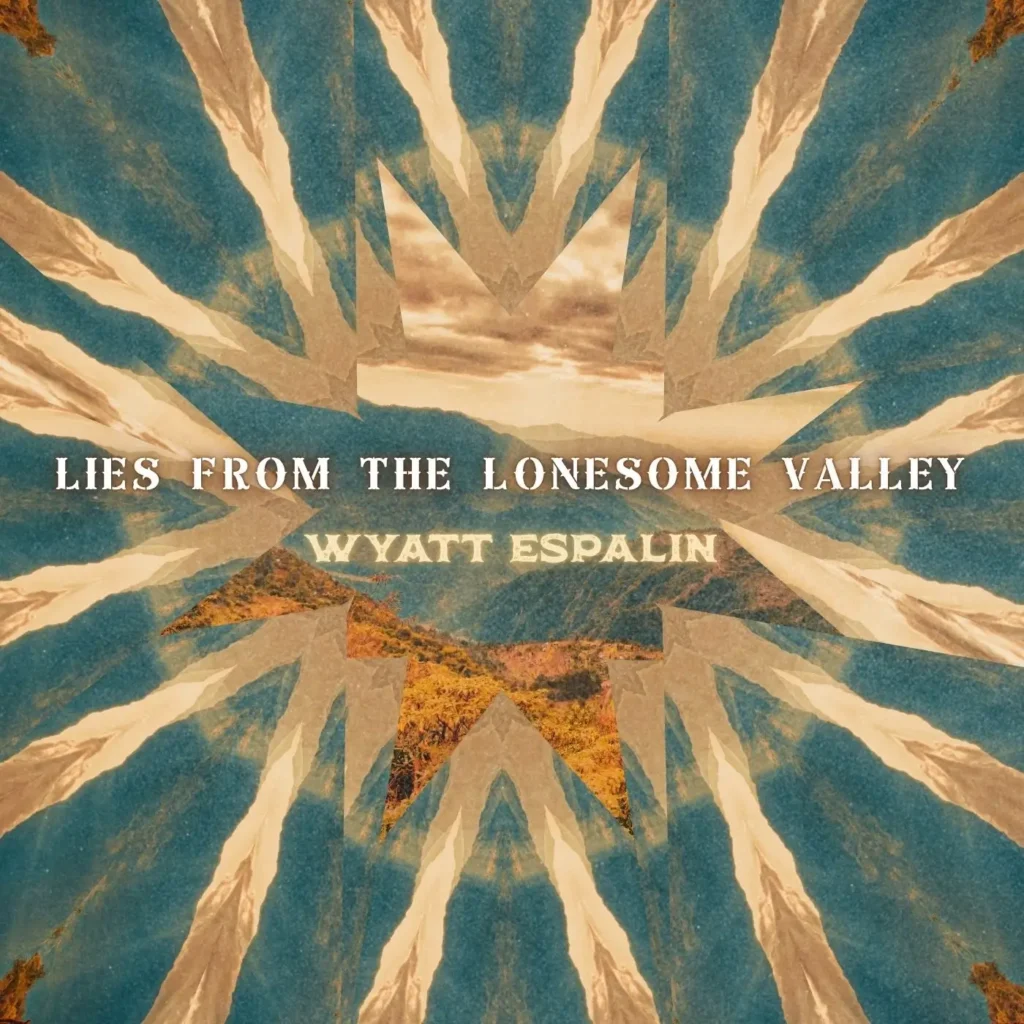
Let’s be real. It’s not every day you’ll come across music that sounds like it was a collection of stories overheard in county fairs, desert roads, and front porches long after midnight. That’s what makes Wyatt Espalin’s Lies From the Lonesome Valley stand out immediately. With 11 tracks in total, he steps on the stage with an Americana album that merges Appalachian storytelling with the lonely emotional landscape of the American West.
Wyatt really did open the album with the line, “Young, wild, and 25. I guess I’m not getting out of this life,” alongside worn acoustic textures and a kind of warmth far from anything you could call comfort. Losing Track of Time is the kind of song you’ll hear at a county fair that isn’t overly dramatic or loud, but will leave you standing still with the words ringing in your ear.
Credit: Photo by Jean Zamora
The Cactus Sisters follows with the same weight, except it’s much more evident now with slower guitars and more reflective vocal delivery. Trading glory for an ounce of fame, eyes so heavy, cactus sisters coming to life—the imagery throughout the track feels drained by the desert it’s describing. But despite the emotional exhaustion running through it, the track never becomes overly bleak.
Whatever The Cactus Sisters established quickly falls through as Year Of The Rabbit comes in, intentionally loosening the desert-weighted atmosphere. The strings feel much freer now with beats releasing the tension, letting the song breathe in a lighter, more open register.
Liar channels that grounded, ’90s country hooks that give off the analog feels. Instead of drama, it leans into restraint as it confronts self-destructive patterns with a kind of male vulnerability that feels more exposed than usual.
If the first few tracks feel like wandering through an afternoon county fair, I Done Told Y’uns bends the atmosphere and instantly transports you to dim rural yards and roadside stretches. It’s an Appalachian cautionary tale passed down through stripped-back, earthy layers.
On Heart Wide Open, Wyatt shifts again into something more slow and fragile. Think of heartbreak when it stops being loud or messy and just turns into something quiet and subdued. It’s as if pain has already learned to be present in a way that feels familiar and unremarkable.
The album ends with You Had It All, and instead of closing the record with some grand statement or clear resolution like others do, Wyatt leaves you with something philosophical. With steady, understated folk-country foundation, he quietly asks a question of value and faith—what it means to have everything and still lose it all?
Musically, Lies From the Lonesome Valley resists leaving Americana into plain nostalgia. His influences, like Patty Griffin, Hurray For the Riff Raff, Waxahatchee, Counting Crows, and Nathaniel Rateliff, actually come through and there’s familiarity in it, but not to the point where it becomes comforting or predictable. From the fiddle, acoustic textures, and pedal steel, he lets it wear down until it stops feeling produced or curated, but lived-in and human.
But all these atmospheres and technicalities sometimes feel empty on their own, especially in today’s scene, where sound is often prioritized over substance. Wyatt counters that through his earnest lyricism that holds every element of the track together. What you’ll get is something that goes beyond music; only stories that grow less clear each time they’re passed on, yet never seem to lose their weight.
When so much of today’s music presents itself like spectacle, it’s such an experience to listen to Wyatt Espalin’s Lies From the Lonesome Valley. Because at its core, it’s built on something no system or automatic generation can simulate fully: the weight of telling a story an artist has actually lived through.