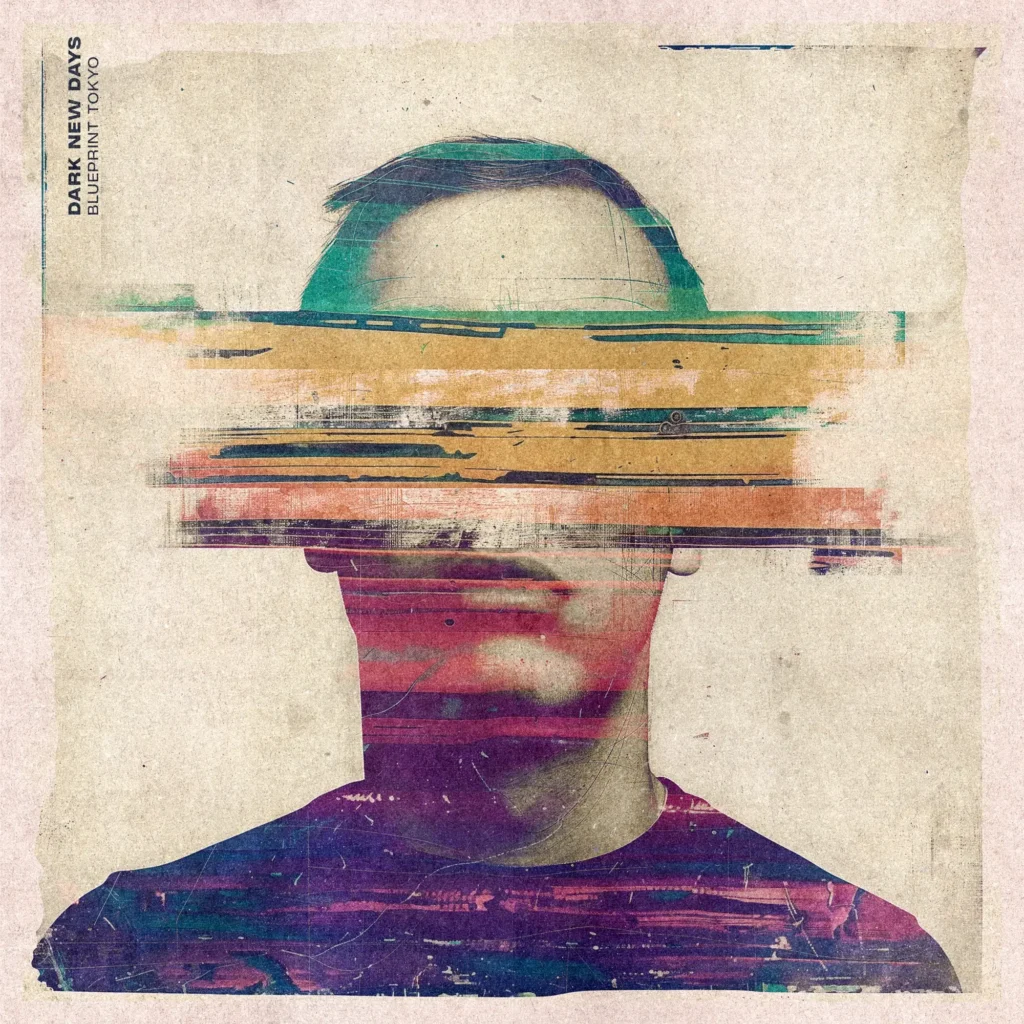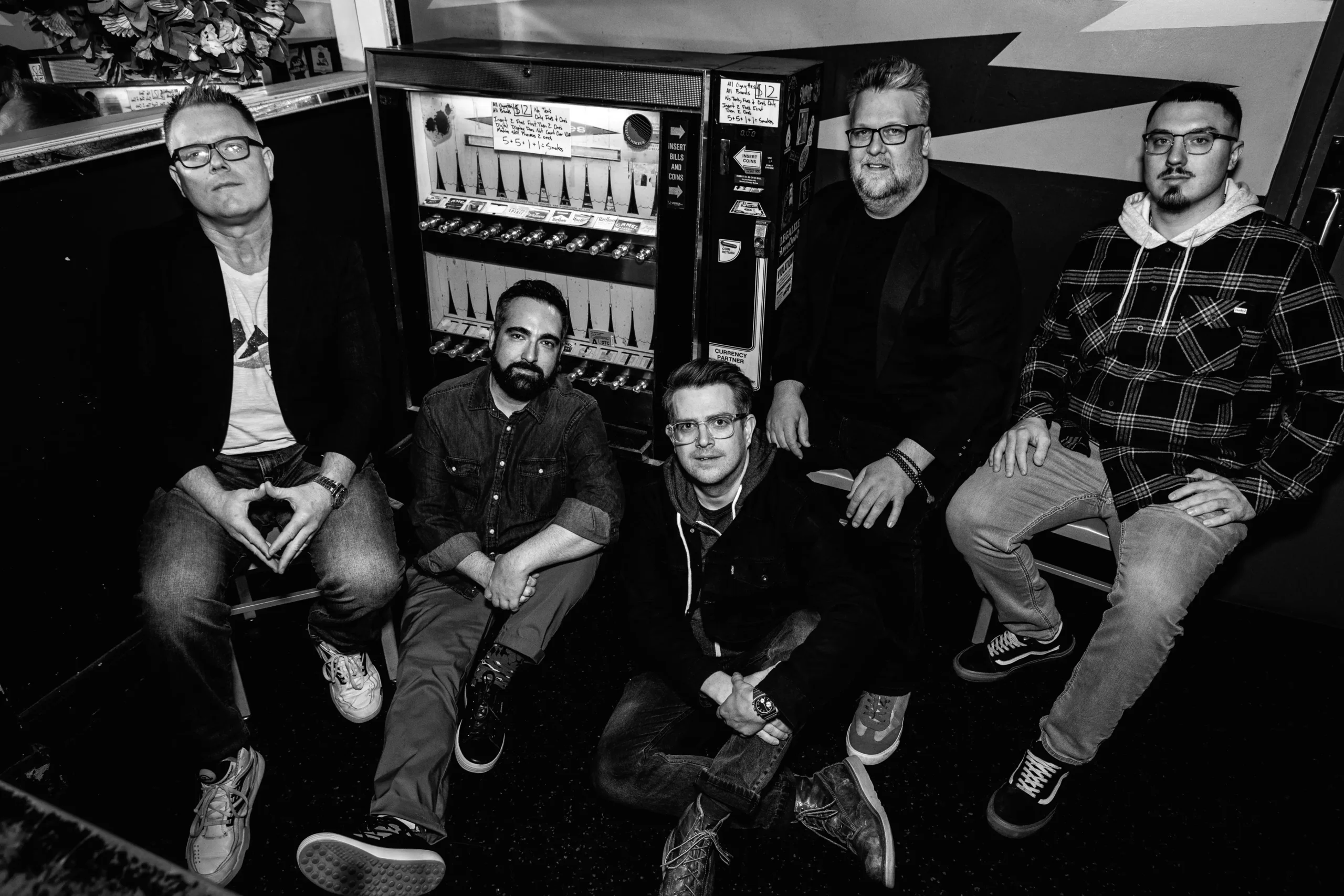

Blueprint Tokyo Aren’t Trying to Convince You That Everything Will Be Okay on Dark New Days EP

There is a very specific emotional space that rock bands love to gesture toward but almost never commit to living in, and that space is the middle of things. Not the cinematic beginning where everything is charged with meaning, not the triumphant or devastating ending where everything finally makes sense, but the long, ambiguous stretch in between where nothing resolves and yet you still have to keep going. Blueprint Tokyo have built their six-track EP Dark New Days entirely inside that space, which is either a bold artistic decision or an elaborate refusal to give you closure.

The Oklahoma City five-piece, defined by towering vocal melodies, dynamic guitars, and synths that hover somewhere between analog warmth and digital precision aren’t new to this kind of emotional ambition. Their debut album Neon Circuits and the Mission of Hope already established them as a band interested in scale, in atmosphere, in making feelings sound large. Dark New Days EP doesn’t try to go bigger. Instead, it goes deeper, narrowing its focus to six songs that feel less like a collection and more like a sustained state of mind.

“Orange Tiger” opens the EP with a kind of forward motion that feels urgent without ever becoming frantic. It’s the musical equivalent of deciding to leave the house after an argument, not because you’ve resolved anything, but because staying still would be worse. The synths shimmer in that now-familiar space somewhere between The War on Drugs and Two Door Cinema Club, while the rhythm section pushes everything forward with just enough insistence to keep you from overthinking it.  

From there, “Here’s Your Story” pulls things slightly inward, trading momentum for reflection. It acts as a kind of counterbalance, less concerned with movement, more interested in the emotional debris left behind by it.  

“Just Repeat Myself” leans into the idea that persistence isn’t glamorous; it’s repetitive, sometimes frustrating, occasionally indistinguishable from being stuck. But the band frames that repetition as something closer to commitment. Not a failure to move on, but a refusal to let go of something that still feels true.

“Change My Mind” sits at the center of the EP and does something quietly radical by refusing to resolve its own premise. There’s no dramatic shift, no sudden clarity, just a sustained tension between doubt and belief. It’s the point where the record stops pretending it might offer answers and instead settles into asking better questions, which is arguably more useful but significantly less satisfying.

“Art of Betrayal” follows with the heaviest emotional weight, exploring the slow realization that something was never what you thought it was. It avoids melodrama and chooses to instead to sit in that uncomfortable recognition without trying to dramatize it into something bigger. The harmonies here are particularly effective, stacking in a way that feels expansive and intimate at the same time, like a choir that’s somehow inside your own head. By the time “Nite Valerie” closes the EP, Blueprint Tokyo make a decision that most bands would probably avoid: they get more specific, not less.

Sonically, the band operates in a space that feels both familiar and distinctly theirs. You can hear echoes of arena-ready alt-rock a la Coldplay or The Killers, but nothing feels directly borrowed. The synths act like a shifting skyline, blurring the line between organic and electronic textures, while the guitars alternate between cinematic sweep and restrained detail. There’s polish, but also enough grit to keep it from feeling sterile.

At just six tracks, Dark New Days doesn’t overstay its welcome, but it does linger. It’s the kind of record that reveals more on repeat listens, not because it’s hiding anything, but because it’s willing to sit in its ideas long enough for you to catch up. And that’s ultimately what makes it work.

Blueprint Tokyo aren’t trying to convince you that everything will be okay; they’re just making a case that it might be.

Follow Blueprint Tokyo

Promoted Content

About the Author