As romantic as it may seem in theory, pursuing one’s passion is rarely as glamorous or practical as one might envision. In George McCormack’s case, his pursuit of music meant years of waiting, of searching for the perfect timing, and of weighing the possibility that the perfect timing might never come. It was a risk that he cannot simply take lightly.
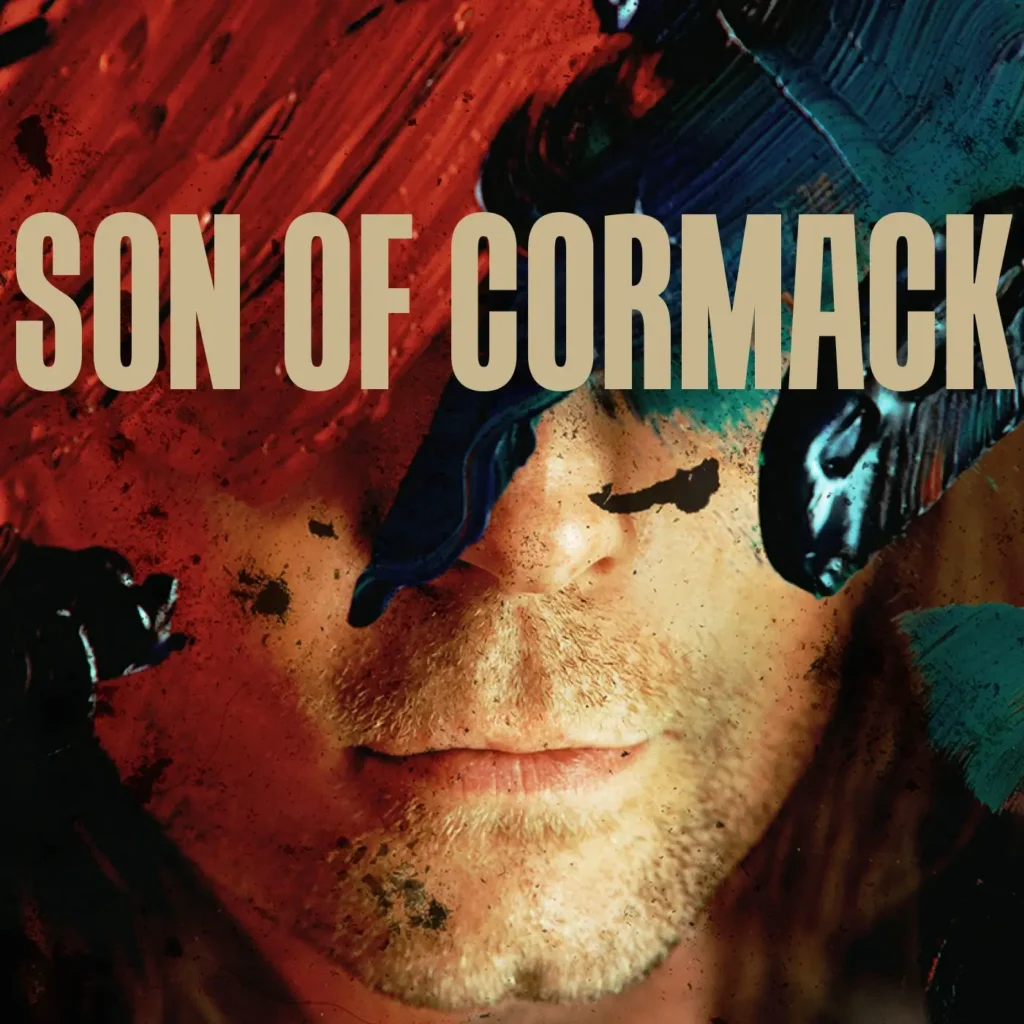
When he finally decided to take that leap of faith, he released Son of Cormack, a self-titled album that radiates the culmination of the musical experiences, influences, and ideas he quietly and patiently honed and stored over the years. As a result, the sound of Son of Cormack is familiar; it is nostalgic; and it is sweet. Perhaps this was because McCormack does not really care for the theatrics of making an album. For him, what’s more important is how the song translates outwardly and inwardly to the listeners.
In a way, it is not at all surprising that McCormack’s sound feels familiar. There is something particularly fascinating about the way McCormack approaches musical inspiration. Rather than adhering to conventional ways of music, he draws inspiration from the natural harmonies he hears everyday–no matter how mundane they may be. Be it from the bustling sound of traffic, the distant echo of the saxophone that slips through the tiniest cracks of a neighborhood pub he passed by, or the unassuming sound and rhythms of nature in general. These minute fragments of musical encounters become pieces of a larger musical language, quite evident in McCormack’s inspirations.
Son of Cormack sounds exactly like a record brewed slowly and patiently to perfection. It showcases its own strength through the melodious guitar rhythm and drum line arrangement. Nothing about the record sounded like it was trying hard to fit to the techniques of the current musical landscape.
McCormack’s vocal delivery is also another interesting element, especially with how his vocals are also carefully woven through the whole production. There is a quality to his voice that makes the songs feel more personal.
In fact, in terms of sonic identity and with how things stand for McCormack, his music is very reminiscent of The National’s atmospheric sensibilities, Radiohead’s inclination to experiment with various genres and techniques, and the folk-inflected arrangements of Big Red Machine. However, Son of Cormack definitely occupies a slightly different territory wherein it balances such factors and leans more into alternative rock and folk. It is an interesting combination.
Some of his strongest songs in the record are Shade, Mother’s Son, Out of Body Kinda Week, and I’m on Fire. Each song was able to demonstrate the different facets of McCormack’s songwriting and his command of guitar arrangements. There is a sort of sensibility in his compositions that makes them linger for longer.
After a run-through of the whole record, listeners will realize how emotionally compelling his works are. However, even though Son of Cormack does not seek to reinvent the whole music scene, its appeal lies precisely in its refusal to do so. His years of prior experience and honed sensibilities makes the album more persuasive to listen to. With Son of Cormack, he was able to prove that he is an artist who has spent a considerable amount of time understanding what he wants his music to sound like.
Released last November 6, his self-titled album debut is a long-time coming. May it serve as a reminder that some things are worth taking the long way around for. If anything, Son of Cormack is a rather convincing case for the idea that sometimes, the music is worth the wait.