A tenured media critic known working as a ghost writer, freelance critic for publications in the US and former lead writer of Atop The Treehouse. Reviews music, film and TV shows for media aggregators.
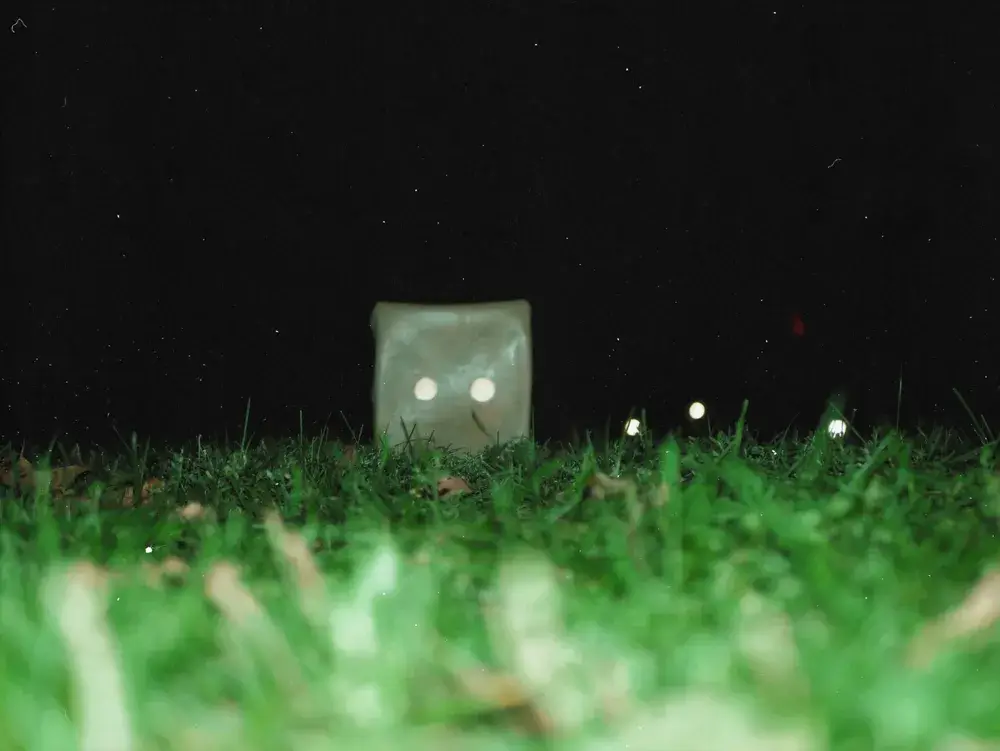
Listening to Dead Internet feels like falling face-first into your own phone at 3 a.m. You know, that moment where you’re doomscrolling, half dissociated, half weirdly emotional, and everything you see feels fake but also way too real? That’s this album. Cam Ezra isn’t trying to make something cozy or polite here. This is music for being confused, online, overstimulated, and quietly freaking out about what any of it means.
Ezra basically dares you to listen all the way through. Sixteen tracks, no hand-holding, no neat story arc, just vibes, panic, ego, irony, sadness, and digital rot stacked on top of each other. If Charli XCX’s Brat is about being hot, messy, and self-aware in a club bathroom, Dead Internet is about being messy, self-aware, and losing your grip on reality in your bedroom with ten tabs open. It’s kind of brat for cloud rap kids who grew up on TikTok instead of Tumblr.
Sonically, this thing is a total genre soup, but cloud rap is definitely the base flavor. Everything floats. Beats feel soft and distant, like they’re playing through fog. Ezra’s vocals slide between R&B smoothness, pop catchiness, and that slightly detached, post-punk delivery where it sounds like he’s both in on the joke and deeply hurt by it. You can hear flashes of The Weeknd’s moody pop, Artemas’s sad-boy club energy, Sombr’s soft-spoken melancholy, and even some hyperpop-adjacent chaos, but it never really settles into one lane.
That’s part of the whole “dead internet” thing. Nothing sticks. Everything keeps mutating.
The opener, “Crown Vs Pedestal,” feels like an identity crisis set to a beat. It’s about whether you see yourself as important or replaceable, and it sounds like it’s constantly flipping between the two. “Complx” doubles down on that feeling, with Ezra basically leaning into emotional overload instead of trying to escape it.
“Devil Wears Resale” is where the album really starts side-eyeing internet culture. It’s all about hype, image, and how everything now feels like a secondhand version of something that used to mean more. It’s funny and depressing in equal measure. “Trash Day” takes that and turns it inward; less cultural critique, more “I kind of hate myself for participating in all of this.”
Then you get “Terrariums,” which is one of the prettiest songs on the record. It feels closed-off, like living in your own tiny emotional ecosystem where everything looks fine but you’re actually slowly suffocating. “Pleasant Monsters & Mean Sprites” keeps that fairytale-but-broken vibe going, like internet personas turned into weird little goblins.
“Sunken Living Room” sounds exactly like its title: a familiar place that’s slowly drowning. “Ghosts & Amusing Parks” has this warped nostalgia to it, like remembering childhood through a cracked screen. “Orwell” is one of the album’s best moments, mixing paranoia and pop in a way that feels genuinely unsettling. It’s not just “big brother is watching,” it’s “we’re all watching each other and kind of loving it.” “This Is Fine” is the emotional burnout anthem; fake smiles over real despair.
“Apples & Oranges” and “Jawscercize” feel like the mental spirals that come from constant comparison and overstimulation. “Zeros” is weirdly calm in its emptiness, like giving up trying to matter. The title track, “Dead Internet,” pulls everything together. It’s not really about bots. Rather, it’s about how emotionally hollow everything feels when nothing feels real anymore. “Loading Out” feels like trying to log off from your own brain, and “Hibernate” closes the album in total exhaustion.
Cam Ezra sounds young, sharp, and completely overwhelmed, which honestly makes this album hit harder. It’s not polished in the pop-star sense, but it’s extremely intentional. This is brat energy, but instead of club bangers, you get cloud-rap dread and digital identity collapse.
This isn’t an album you put on in the background. It asks you to listen from start to finish, to sit with the confusion, the fear, and the weird beauty inside it. If you want something comfortable, look somewhere else. If you want something that feels disturbingly close to the truth, welcome to the Dead Internet.

A tenured media critic known working as a ghost writer, freelance critic for publications in the US and former lead writer of Atop The Treehouse. Reviews music, film and TV shows for media aggregators.